Moving tools, carrying supplies, and transporting harvested produce are routine tasks on farms and rural properties. These jobs often involve repeated short trips between storage areas, fields, workshops, and loading points. Choosing a suitable farm utility vehicle starts with understanding these movements and the loads involved.
Farm utility vehicles and compact pickups offer options for a range of transport tasks. Their suitability depends on the specific model, confirmed payload, cargo bed dimensions, terrain, and operating conditions. For business buyers, reviewing these factors together provides a more useful starting point than comparing appearance alone.
Transporting Tools and Supplies Around the Farm
Keeping Equipment Close to the Work Area
Routine farm work requires tools and materials to move with the team. Hand tools, irrigation fittings, empty containers, and maintenance supplies may need to travel between several locations throughout the day.
A utility vehicle can provide a dedicated way to carry these items where its capacity and dimensions suit the task. Buyers should consider the size and weight of typical loads, how equipment will be secured, and whether workers need access from the sides or rear of the cargo bed.
Supporting Repeated Supply Runs
Some transport tasks involve small loads moved frequently rather than a single large delivery. Examples include taking packaging materials to a collection point or moving supplies from a central store to different work areas.
For these applications, loading convenience, route access, and turning space deserve attention alongside payload. A vehicle that fits the regular route and loading process may be more practical than one selected primarily for maximum carrying capacity.
Moving Produce Between Collection Points
Matching the Cargo Bed to Containers
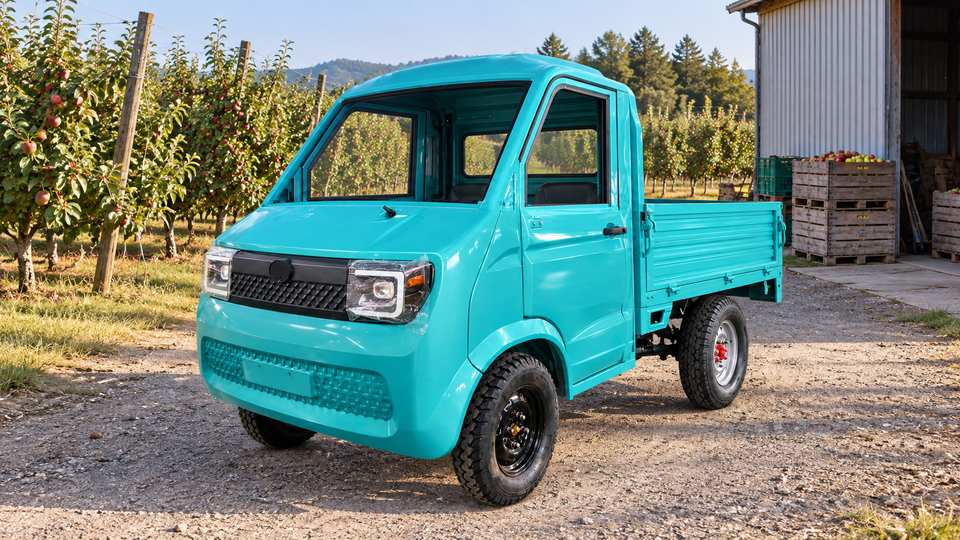
Orchards, vegetable farms, and other growing operations may need to move harvested produce from collection areas to sorting or packing locations. Crates, trays, and baskets can vary considerably in size, so cargo bed measurements should be checked against the containers actually used.
Buyers should assess both load weight and usable space. The ability to fit several containers does not necessarily mean the vehicle can carry their combined weight when full. Payload limits and load distribution must be confirmed for the selected model.
Considering the Full Transport Route
Produce transport may involve narrow lanes, uneven surfaces, or frequent stops. The route should be reviewed from the collection point through to unloading, including gateways and turning areas.
Suitability for unpaved or wet ground should never be assumed from a vehicle’s appearance. Buyers should describe surface conditions and gradients to the supplier, then review the relevant vehicle specifications before deciding whether a model fits the application.
Supporting Property and Grounds Maintenance
Carrying Materials for Routine Upkeep
Rural properties require regular maintenance beyond agricultural production. Teams may need to transport fencing materials, cleaning equipment, replacement parts, or landscaping supplies between buildings and outdoor work areas.
A farm utility vehicle can support these movements when the load stays within the vehicle’s confirmed limits. Long or awkward items require particular attention to secure loading and overall clearance. Buyers should explain these requirements early rather than relying only on standard cargo bed dimensions.
Working Across Mixed-Use Sites
Some properties combine farming with visitor accommodation, landscaped grounds, or recreational facilities. Their transport needs may include moving gardening tools in the morning and delivering maintenance supplies later in the day.
In these settings, vehicle selection should account for shared routes, available parking, and the different loads carried. Clear operating arrangements are also important where work vehicles use spaces shared with pedestrians or other traffic.
Choosing a Vehicle Around the Application
Review Payload, Access, and Maneuverability Together
Payload is an essential specification, but it should be assessed alongside vehicle width, turning requirements, cargo access, and route conditions.
Buyers should prepare a short description of their most common tasks, including typical and maximum loads. Photographs or measurements of narrow access points can also make discussions more precise. The aim is to confirm that a vehicle can handle the intended work throughout the route, including loading and unloading.
Plan Energy Supply for Electric Models
For electric farm utility vehicles, daily travel distance and charging availability are important parts of the selection process. Repeated trips, carried loads, and gradients all provide context when reviewing available battery and motor configurations.
Buyers should confirm charging requirements for the destination and identify suitable charging periods within the work schedule. Published range figures should be considered in relation to the exact configuration and expected operating conditions.
Preparing for Purchase and Daily Use
DAWNSALL supports buyers with farm utility vehicle selection, configuration discussions, pre-shipment checks, and spare parts planning. These discussions begin with the application: what the vehicle will carry, where it will travel, and how often it will be used.
Before ordering, buyers should confirm the model, agreed specifications, available options, and delivery arrangements. Maintenance information and relevant spare parts should also be discussed as part of the procurement process.
A suitable farm utility vehicle should fit the property’s everyday workflow. By defining transport tasks clearly, buyers can compare models more effectively and choose a configuration based on practical requirements and verified product information.